
Web3 gaming is reshaping the gaming landscape, offering decentralised experiences where players truly own their digital assets. Unlike traditional games, where in-game items are locked within a single platform, Web3 gaming leverages blockchain technology to grant players full control. But what makes this evolution so exciting? Let’s dive into the core elements defining this next-generation gaming experience.
What is Web3 Gaming?
Web3 gaming refers to decentralised gaming experiences built on blockchain technology. It ensures transparency, ownership, and real-world value for digital assets. Traditional gaming models restrict players to centralised ecosystems, but Web3 gaming empowers them with true asset ownership through NFTs (non-fungible tokens) and cryptocurrencies. This paradigm shift opens doors for play-to-earn mechanics, cross-game compatibility, and decentralised economies.
Key Features of Web3 Gaming
Ownership of In-Game Assets (Decentralised Gaming)
One of the standout features of Web3 gaming is the ability to own in-game items permanently. Unlike conventional gaming models, where developers retain control over digital assets, blockchain integration ensures that players possess verifiable ownership.
NFTs and Digital Ownership
Non-fungible tokens (NFTs) serve as digital certificates of authenticity, allowing players to buy, sell, and trade assets freely. Whether it’s a rare sword, an exclusive skin, or virtual real estate, these assets hold tangible value outside the game’s ecosystem.
Play-to-Earn Models
Gone are the days when gaming was purely a pastime. Play-to-earn (P2E) models reward players with cryptocurrency and NFTs, transforming gaming into a potential income source. By completing quests, battling opponents, or participating in in-game economies, players can earn assets that have real-world value.
How Players Earn Real Value
Through blockchain-based gaming, earnings are not restricted to a single platform. Players can trade their assets on external marketplaces, exchange tokens for real currency, or even lend items to other players for a profit. This financial incentive fuels engagement and attracts gamers looking for more than just entertainment.
Interoperability: Cross-Game Assets
Imagine using a weapon from one game in an entirely different virtual world. Web3 gaming promotes interoperability, allowing assets to function across multiple games. This innovation enhances player investment by ensuring that digital possessions retain value beyond a single platform.
Current Trends in Web3 Gaming
Popular Web3 Games
Several titles have already made a mark in the Web3 gaming industry, pushing the boundaries of decentralized entertainment.
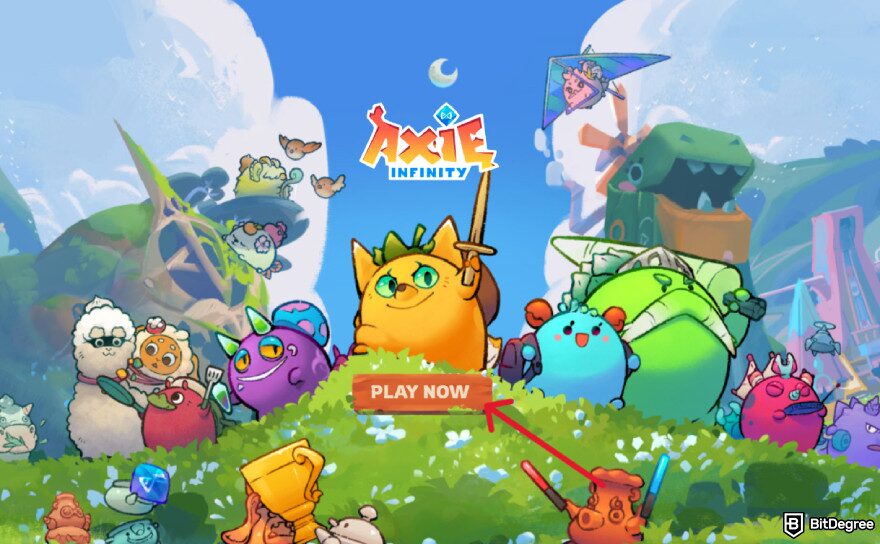
- Axie Infinity revolutionized gaming with its play-to-earn mechanics, enabling players to breed, battle, and trade Axies for cryptocurrency rewards.
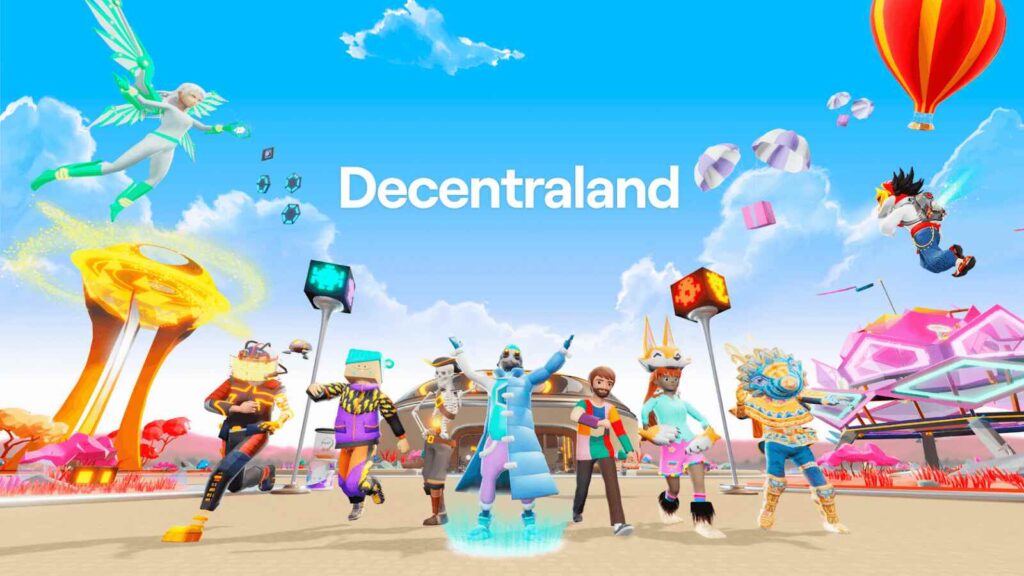
- Decentraland takes virtual ownership to another level, allowing users to buy, sell, and build on virtual real estate in an expansive metaverse.
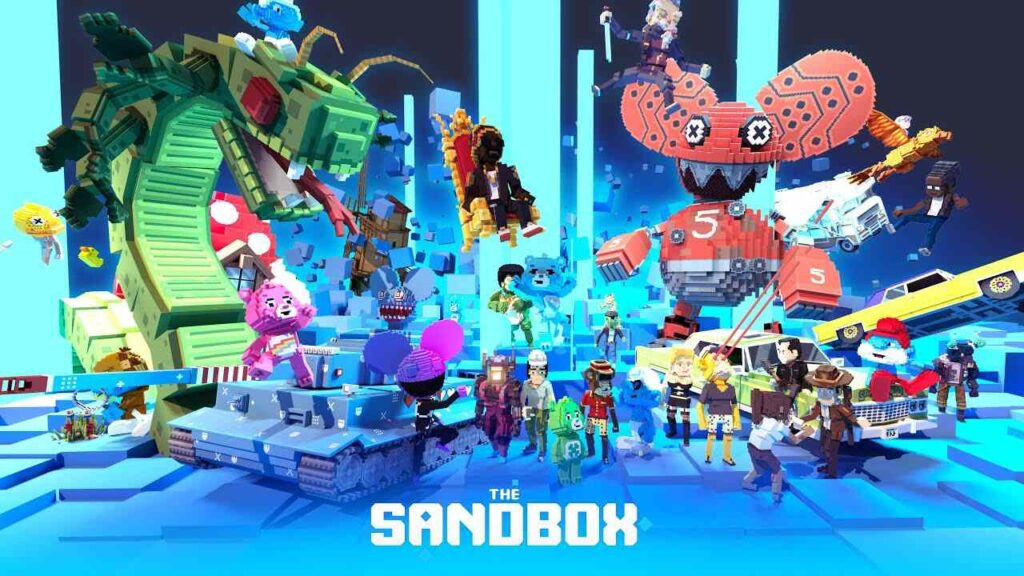
- The Sandbox empowers users to create, share, and monetise content, blurring the lines between developers and players.
Innovative Gaming Platforms
To support these groundbreaking games, several platforms are enhancing Web3 gaming capabilities. Immutable X provides gas-free NFT transactions, ensuring smoother gameplay. Enjin simplifies blockchain integration, making it easier for developers to incorporate NFTs into their games.
Future of Web3 Gaming
- Potential Developments
The Web3 gaming industry is still in its infancy, but its potential is limitless. Blockchain scalability, improved tokenomics, and enhanced security measures will drive the next phase of growth.
- Predictions for the Evolution of Gaming in a Web3 Context
Traditional game developers are already exploring Web3 elements, hinting at a future where decentralised gaming merges with mainstream titles. As regulations and blockchain adoption progress, we can expect seamless experiences that bridge Web2 and Web3 gaming ecosystems.
- Community Involvement
Web3 gaming thrives on community participation. Unlike centralised gaming models where developers dictate the rules, blockchain games prioritise player governance. Token holders often influence game updates, economic models, and in-game events, fostering a collaborative environment.
- Integration of AI, VR, and AR
The combination of artificial intelligence, virtual reality, and augmented reality will elevate Web3 gaming to new heights. AI-driven NPCs, immersive VR experiences, and AR-enhanced environments will redefine player engagement, making games more interactive and lifelike.
Upcoming Projects to Watch
Several highly anticipated projects are set to push the boundaries of Web3 gaming. Illuvium, a blockchain-based RPG, promises an open-world experience where players hunt and battle creatures. The Sandbox continues expanding its metaverse, attracting major brands and creators. Star Atlas, a space exploration MMO, integrates high-quality visuals with a decentralised economy, offering a futuristic gaming adventure.
Final Thoughts
Web3 gaming is more than just a trend—it’s a revolution. By empowering players with ownership, earning opportunities, and cross-game asset utility, blockchain technology is redefining how we interact with virtual worlds. As the industry matures, we can expect even more immersive experiences, groundbreaking innovations, and a future where players have full control over their gaming destinies. The question is no longer if Web3 gaming will reshape the industry but how far it will go.
FAQs
Is Web3 Gaming the Future?
- Yes, Web3 gaming is revolutionizing the industry with true asset ownership, decentralized governance, and play-to-earn models, reshaping player engagement and monetization.
How to Build a Web3 Game?
- Concept Development – Define game mechanics & blockchain integration.
- Choose a Blockchain – Ethereum, Polygon, etc.
- Smart Contracts – Manage assets, transactions, and player interactions.
- Game Development – Use Unity or Unreal Engine with blockchain features.
- Testing & Deployment – Ensure security before launch.
How Do Web3 Games Make Money?
- NFT Sales & In-Game Purchases
- Transaction Fees on trades
- Play-to-Earn Rewards
- Sponsorships & Brand Partnerships
- Token Sales & ICOs
Web3 Gaming Models
- Play-to-Earn (P2E) – Earn tokens via gameplay.
- Free-to-Play + In-Game Purchases
- Subscription-Based Access
- DeFi Integration – Staking/lending in-game assets.
- Community Funding – Crowdsourced development.
Why Web3 Games Are Better?
- True Ownership – NFTs allow trading/selling assets.
- Decentralization – Secure, player-driven ecosystems.
- Earning Potential – Real-world financial opportunities.
- Community-Driven – Governance participation enhances engagement.

Written by
Metana Editorial
Powered by Metana Editorial Team, our content explores technology, education and innovation. As a team, we strive to provide everything from step-by-step guides to thought provoking insights, so that our readers can gain impeccable knowledge on emerging trends and new skills to confidently build their career. While our articles cover a variety of topics, we are highly focused on Web3, Blockchain, Solidity, Full stack, AI and Cybersecurity. These articles are written, reviewed and thoroughly vetted by our team of subject matter experts, instructors and career coaches.
More from Metana Editorial →